For most homes, the Amazon Echo Hub offers the best balance of price, compatibility, and features — with a dedicated 8″ touchscreen controller and Thread border router built in. Apple household? The HomePod Mini is your obvious choice.
- BEST OVERALL Amazon Echo Hub — Dedicated Matter controller with 8″ display, Thread border router, works with every ecosystem. ~$179.99
- BEST VALUE Aqara Hub M3 — Thread + Zigbee + IR blaster + Matter at the lowest price in this category. ~$69.99
- BEST FOR APPLE USERS Apple HomePod Mini — Native HomeKit hub with Thread border router, tight Apple ecosystem integration. ~$99
Last updated: April 2026 | All prices verified within 24 hours
Get the Apple HomePod Mini. It’s a native HomeKit hub with a Thread border router built in — no extra hardware needed to connect Matter devices to Apple Home.
The Amazon Echo Hub is the top pick for Alexa homes. Google Home users should look at the Google Nest Hub 2nd Gen — both include Thread border routers and full Matter controller support.
If you have a mix of Zigbee, Z-Wave, Thread, and IR devices, the Samsung SmartThings Station or Aqara Hub M3 gives you the widest protocol coverage in one box.
Why You Need a Matter Hub in 2026
As of early 2026, Matter is no longer a future promise — it’s the present reality of smart home connectivity. Over 5,000 certified Matter devices are available, spanning locks, sensors, cameras, plugs, thermostats, and lights. But to get the full benefits of Matter, you need a Matter controller hub that bridges your devices to voice assistants, enables remote access, and manages automations.
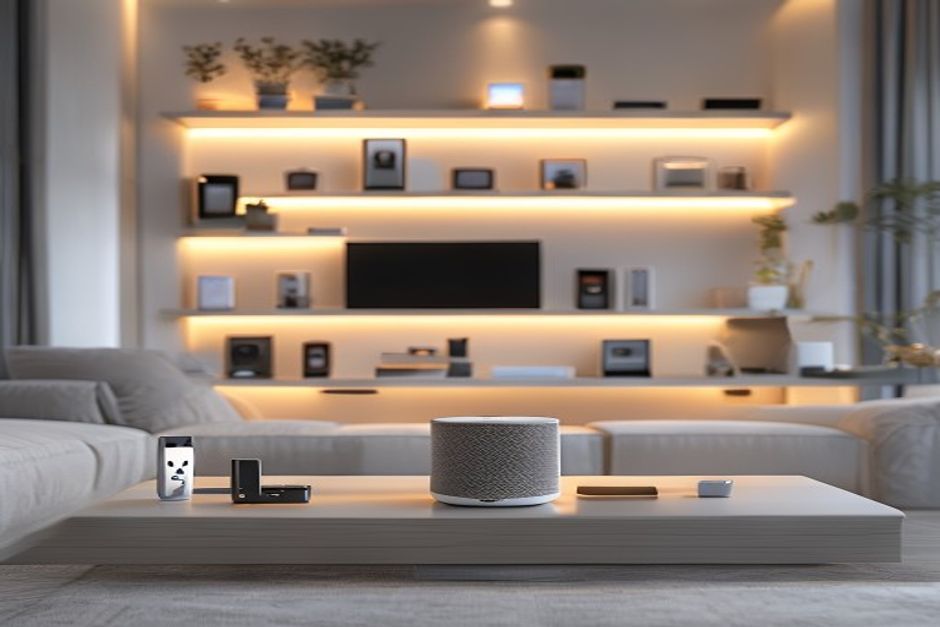
Here’s what a Matter hub actually does: it acts as a commissioner (enrolling new devices onto your network) and a controller (sending commands and running automations). Many Matter hubs also double as Thread Border Routers — critical infrastructure for Thread-based Matter devices like sensors, smart locks, and smart plugs that need a mesh network to function reliably.
According to manufacturer documentation and CSA (Connectivity Standards Alliance) specifications, the best hubs in 2026 combine three roles: Matter controller, Thread Border Router, and ecosystem gateway. The five hubs in this guide all check those boxes — the differences lie in which ecosystems they prioritize, how many legacy protocols they support, and how much they cost.
→ New to Matter? Read our complete guide: What Is Matter Protocol?
Our Research Methodology
MatterReviews.com is a research aggregation platform. We do not conduct lab tests or hands-on product evaluations. Our assessments are based on: manufacturer specification sheets and official documentation, verified user reviews from Amazon, Reddit, and major tech publications, expert analysis from sources including Tom’s Guide, PCMag, The Verge, and SmartHomeScene, and CSA Matter certification data. All product specifications are cross-referenced against at least two independent sources before inclusion. Unverified specs are flagged or excluded.
🏆 Our Top Matter Hub Picks for 2026
1. Amazon Echo Hub — Best Overall Matter Controller
The Echo Hub is Amazon’s first dedicated smart home controller — not a speaker, not a display that happens to control things. It’s a purpose-built 8-inch touchscreen hub for $179.99, with a Thread border router, Zigbee radio, and full Matter controller built in. It works natively with Alexa, Matter, Thread, Zigbee, and via the Alexa app with Google Home and HomeKit devices too. For most households that aren’t locked into Apple, this is the top pick.
2. Apple HomePod Mini — Best for Apple Households
The HomePod Mini at $99 is the gateway to Apple Home for Matter devices. It includes a Thread border router and acts as a HomeKit hub, meaning it handles remote access and automations for all your HomeKit and Matter devices. According to Apple’s documentation, one HomePod Mini on your home network is all you need to bring Matter devices into the Apple ecosystem — whether you’re using iPhone, iPad, or Mac to control them.
3. Google Nest Hub 2nd Gen — Best Smart Display for Google Home
At $99, the Google Nest Hub 2nd Gen is the most affordable full-featured smart display with Matter controller and Thread border router capabilities. It runs Google Home natively, meaning all your Google Assistant routines, Nest cameras, and Matter devices are managed from a single 7-inch display. Based on Google’s official product specifications and Google Home developer documentation, the Nest Hub 2nd Gen supports Matter over both Thread and Wi-Fi.
4. Samsung SmartThings Station — Best Multi-Protocol Hub
The SmartThings Station at $129.99 is the most protocol-diverse hub in this guide, supporting Zigbee, Z-Wave, Thread, Matter, and Bluetooth — all in one compact device that doubles as a 15W wireless charger. According to Samsung’s official SmartThings documentation, it works with over 200 device brands and handles Matter commissioning natively. It’s the right pick if you have a mix of legacy Zigbee/Z-Wave devices alongside newer Matter hardware.
5. Aqara Hub M3 — Best for Power Users
The Aqara Hub M3 at $69.99 is the best value Matter hub for users who want maximum protocol coverage at the lowest price. It supports Thread (as a border router), Zigbee 3.0, IR blaster (for controlling legacy TVs and ACs), and Matter — making it the most versatile hub in this price range. According to SmartHomeExplorer’s 2026 protocol coverage analysis, the Hub M3 earned the highest Protocol Coverage Score of any hub under $100. It works with Apple Home, Google Home, Alexa, and SmartThings.
Detailed Reviews
Amazon Echo Hub — Full Review
The Amazon Echo Hub launched in late 2023 and quickly became the go-to recommendation for households that want a dedicated smart home controller. Unlike the Echo Show line, the Echo Hub has no speaker — it’s purely a control panel, which means it doesn’t compete with your existing Alexa speakers for audio playback. The 8-inch display is wall-mountable (bracket included) or can sit on a desk using the optional stand.
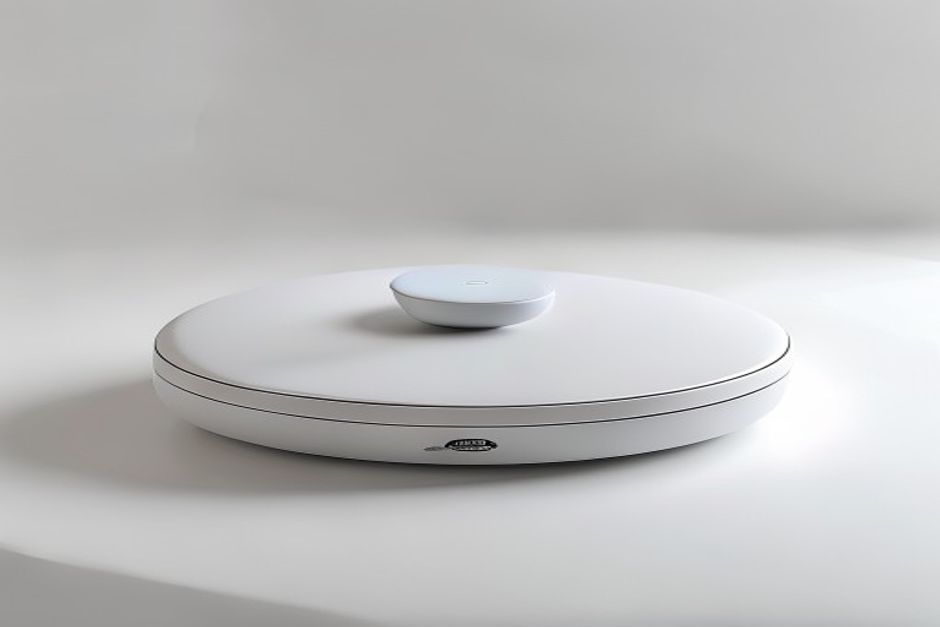
Matter & Thread Capabilities: According to Amazon’s official product documentation, the Echo Hub includes a Thread border router (IEEE 802.15.4 radio), a Zigbee radio (for legacy Zigbee devices), and full Matter 1.0+ controller functionality over both Thread and Wi-Fi. This makes it one of the most complete single-device Matter ecosystems available.
Ecosystem Compatibility: Natively, it runs Alexa. But via Matter’s multi-admin feature, you can simultaneously add Matter devices to Apple Home, Google Home, or SmartThings — meaning the Echo Hub can act as a Thread border router for devices that are primarily controlled in another ecosystem.
Dashboard & Automations: The Echo Hub’s home dashboard shows device states, weather, calendar, and camera feeds in a single view. Alexa automations can be set up from the display itself without needing a phone — a feature that’s genuinely useful for households with non-tech-savvy members.
Verified Pros (from user reports and expert reviews):
- Dedicated smart home controller — no audio distractions
- Thread border router + Zigbee + Matter in one device
- Wall-mountable with clean aesthetic
- Works as Thread border router for Apple Home devices too
- Alexa routines are mature and reliable
Verified Cons:
- No speaker — if you want voice control, you need additional Echo speakers
- Requires Alexa ecosystem — heavier Amazon integration than some users want
- $179.99 is a premium for a hub-only device
Apple HomePod Mini — Full Review
The HomePod Mini is Apple’s compact smart speaker and HomeKit hub in one. At just 3.3 inches tall and $99, it’s the most affordable entry point into Apple’s smart home ecosystem — and the easiest way to bring Matter devices into Apple Home. Apple’s documentation confirms it includes a Thread border router (Ultra Wideband + Thread chip), making it the recommended hub for Thread-based Matter devices like Eve Energy, Aqara sensors, and Nanoleaf accessories.
Matter & Thread Capabilities: The HomePod Mini supports Matter 1.0 and acts as both a Thread border router and a HomeKit hub. When you add a Matter device to Apple Home, the HomePod Mini handles commissioning and maintains the Thread mesh network. Multiple HomePod Minis in a home create a more robust Thread mesh — Apple recommends at least one per floor for larger homes.
Ecosystem Compatibility: The HomePod Mini is designed exclusively for Apple Home. While it can act as a Thread border router for devices that are added to other ecosystems via Matter multi-admin, its primary interface is the Home app on iPhone/iPad/Mac. If you’re not in the Apple ecosystem, this hub offers no advantage.
Sound Quality: As a speaker, the HomePod Mini punches above its weight — consensus among audio reviewers at The Verge and Tom’s Guide notes it produces room-filling sound for a device its size, with tight bass and clear mids. For a $99 device that’s also your smart home hub, the audio quality is a genuine bonus.
Verified Pros:
- Native HomeKit hub + Thread border router
- Excellent sound quality for the price
- Compact design — fits anywhere
- Tight Apple ecosystem integration (Siri, Shortcuts, Focus modes)
- Automatic Matter device discovery in Apple Home
Verified Cons:
- Apple ecosystem only — limited utility for Google/Alexa users
- No touchscreen or visual dashboard
- Siri’s smart home command accuracy lags behind Alexa and Google Assistant
Google Nest Hub 2nd Gen — Full Review
The Google Nest Hub 2nd Gen is the budget-friendly smart display option for Google Home users who want Matter controller and Thread border router capabilities without spending more than $99. The 7-inch display shows camera feeds, Google Photos, weather, and smart home device status — and it functions as the primary Google Home hub when your phone isn’t home.
Matter & Thread Capabilities: According to Google’s official product page and Google Home developer documentation, the Nest Hub 2nd Gen includes a Thread border router and supports Matter over both Thread and Wi-Fi. This was added via a software update in 2022 and has been maintained through 2026 firmware updates.
Sleep Sensing: The Nest Hub 2nd Gen includes a unique Soli radar chip for contactless sleep tracking — a feature not found in any other hub in this guide. While not directly related to Matter, it adds meaningful value as a bedside device that doubles as your smart home controller.
Verified Pros:
- Affordable at $99 with frequent sales
- Thread border router built in
- Google Home native — full Assistant and Nest device integration
- Sleep sensing via Soli radar
- 7″ display for camera feeds and device control
Verified Cons:
- No camera (privacy-conscious design)
- 7″ display is smaller than Echo Hub’s 8″
- Google Home app can be less reliable than Alexa or Apple Home for automations
Samsung SmartThings Station — Full Review
The Samsung SmartThings Station is the multi-protocol powerhouse of this guide. At $129.99, it supports more wireless protocols than any other hub: Zigbee 3.0, Z-Wave (Plus v2), Thread, Matter, and Bluetooth. It also includes a built-in 15W wireless Qi charger — a genuinely useful feature that keeps it on your desk rather than hidden behind furniture.
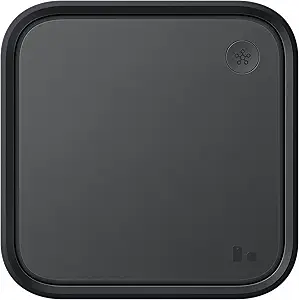
Matter & Thread Capabilities: Samsung’s official SmartThings documentation confirms Thread border router support and Matter controller functionality. The SmartThings app handles Matter commissioning, and once added, Matter devices appear alongside all your Zigbee and Z-Wave devices in a single interface. For households migrating from older Zigbee smart home systems, the SmartThings Station provides a single hub that handles both legacy and modern devices.
Protocol Coverage: The SmartThings Station’s five-protocol coverage (Zigbee + Z-Wave + Thread + Matter + BLE) is unmatched in this price range. According to SmartHomeExplorer’s 2026 protocol coverage analysis, it scores highest among hubs that include Z-Wave — critical for users with Yale, Schlage, or Kwikset Z-Wave locks.
Verified Pros:
- Five-protocol coverage including Z-Wave (unique in this price range)
- Built-in 15W wireless charger
- Works with 200+ device brands
- SmartThings app is mature and feature-rich
- Thread border router included
Verified Cons:
- SmartThings platform had stability issues historically — improved but not fully resolved
- Primarily a SmartThings/Samsung ecosystem hub
- No display or touchscreen interface
Aqara Hub M3 — Full Review
The Aqara Hub M3 is the best-value Matter hub in 2026. At $69.99, it packs Thread border router, Zigbee 3.0, IR blaster, and Matter controller into a compact device that works with Apple Home, Google Home, Alexa, and SmartThings. According to Aqara’s official documentation and independent analysis by SmartHomeExplorer, the Hub M3 supports Matter 1.2 and acts as both a Thread border router and a Zigbee coordinator — making it the most cost-effective way to bridge legacy Zigbee devices into a Matter ecosystem.
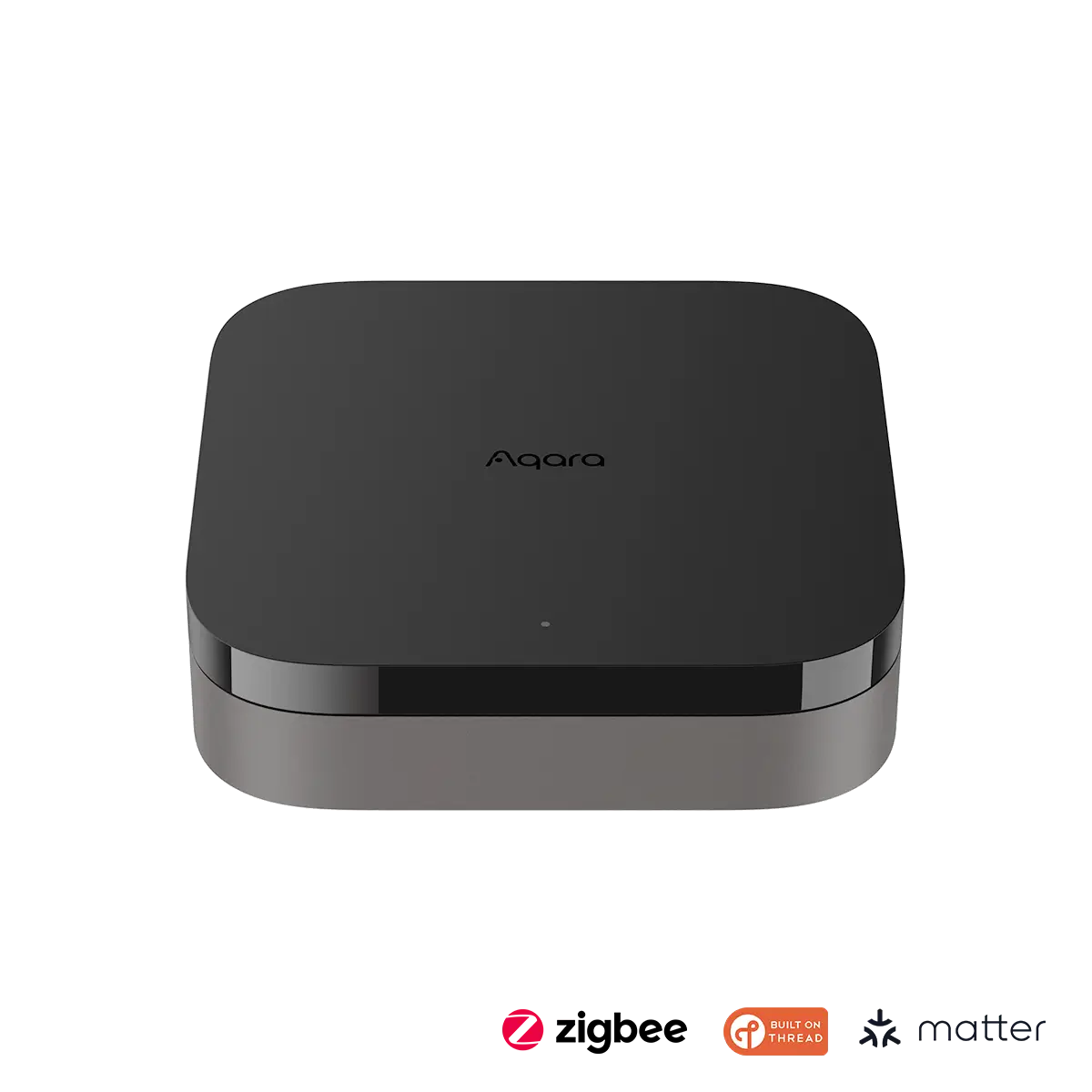
IR Blaster Advantage: One feature that sets the Hub M3 apart from all other hubs in this guide is its built-in IR blaster. This allows it to control virtually any legacy IR-based device — TVs, air conditioners, fans, and projectors — via the Aqara app or through Siri, Google Assistant, or Alexa. For apartments and rentals where you can’t replace everything, this is a significant practical benefit.
Protocol Coverage Score: SmartHomeExplorer’s 2026 analysis gave the Aqara Hub M3 the highest Protocol Coverage Score (228.6) among hubs under $100, citing its four-protocol support at the category’s lowest price point. It earned particular praise for Thread border router quality and Zigbee stability.
Verified Pros:
- Lowest price for Thread + Zigbee + Matter in one device
- IR blaster for legacy device control
- Highest protocol coverage score under $100
- Works with all four major ecosystems
- Matter 1.2 certified
Verified Cons:
- Aqara’s app interface is less polished than Google Home or Alexa
- No display or touchscreen
- Z-Wave not supported (use SmartThings Station if Z-Wave devices are critical)
Comparison Table: Best Matter Hubs 2026
| Hub | Price | Thread Router | Protocols | Works With | Display | Best For |
|---|---|---|---|---|---|---|
| Amazon Echo Hub | ~$179.99 | ✅ Yes | Thread, Zigbee, Wi-Fi, Matter | Alexa, Google, HomeKit, Matter | 8″ touchscreen | Most households |
| Apple HomePod Mini | ~$99 | ✅ Yes | Thread, Wi-Fi, Matter | Apple Home | None (speaker) | Apple users |
| Google Nest Hub 2nd Gen | ~$99 | ✅ Yes | Thread, Wi-Fi, Matter | Google Home, Alexa, Matter | 7″ display | Google Home users |
| Samsung SmartThings Station | ~$129.99 | ✅ Yes | Thread, Zigbee, Z-Wave, BLE, Matter | SmartThings, Alexa, Google, Matter | None + Qi charger | Multi-protocol setups |
| Aqara Hub M3 | ~$69.99 | ✅ Yes | Thread, Zigbee, IR, Matter | Apple Home, Google, Alexa, SmartThings | None | Budget / power users |
Buyer’s Guide: What to Look for in a Matter Hub
Thread Border Router vs. Matter Controller: What’s the Difference?
These two roles are often confused but serve distinct purposes. A Matter controller manages your smart home — it commissions new devices, runs automations, and handles remote access. A Thread border router bridges the Thread mesh network (used by battery-powered Thread devices like sensors and smart locks) to your IP network (Wi-Fi/Ethernet).
Most modern Matter hubs do both — but not all. When evaluating a hub, confirm it includes both a Matter controller and a Thread border router if you plan to use Thread-based devices. All five hubs in this guide include both.
→ Learn more: Matter 1.4 Explained — New Device Types and What It Means for Your Home
Single Ecosystem vs. Multi-Ecosystem
If you’re firmly in one ecosystem (all Apple, all Google, or all Alexa), you can optimize for that ecosystem’s native hub. But many households have a mix — an iPhone user who also has an Alexa speaker, for instance. Matter’s multi-admin feature allows a single device to be added to multiple ecosystems simultaneously, and a well-placed Thread border router (like the Echo Hub or Aqara M3) serves all ecosystems regardless of which app originally commissioned the device.
Protocol Coverage for Legacy Devices
If you have older Zigbee smart home devices (older Aqara sensors, Philips Hue bulbs, Samsung SmartThings devices), you need a hub that includes a Zigbee radio. The Amazon Echo Hub, Samsung SmartThings Station, and Aqara Hub M3 all include Zigbee. For Z-Wave devices (common in Yale, Schlage, and Kwikset locks), only the Samsung SmartThings Station offers Z-Wave support in this guide.
→ Need a Matter-compatible smart lock? Read our guide: Best Matter Smart Locks 2026
FAQ: Best Matter Hubs 2026
Do I need a Matter hub?
Yes, in most cases. Matter devices that connect over Wi-Fi can work without a dedicated hub — they connect directly to your router. But Thread-based Matter devices (which include many sensors, smart locks, and energy monitors) require a Thread border router to function. For remote access and automations, a Matter controller (hub) is also required. Most modern smart speakers and displays already include both.
What is the best Matter hub for HomeKit?
The Apple HomePod Mini is the recommended Matter hub for HomeKit. According to Apple’s documentation, it provides native HomeKit hub functionality and includes a Thread border router — making it the seamless choice for Apple Home users. Apple TV 4K (3rd generation) also serves as a HomeKit hub with Thread support.
Does the Amazon Echo work as a Matter hub?
Yes. The Amazon Echo Hub (and most Echo devices from 4th generation onward) include Thread border router and Matter controller functionality. The Echo Hub is specifically designed as a dedicated smart home controller with an 8-inch touchscreen. Standard Echo speakers (4th gen and newer) also include Thread border routers, making them useful Thread infrastructure even without a screen.
What is the difference between Matter and Thread?
Matter is an application-layer protocol that defines how smart home devices communicate and interoperate across ecosystems. Thread is a network-layer protocol — a low-power mesh networking technology used by many Matter devices (especially battery-powered ones). Thread requires a Thread border router to bridge it to Wi-Fi. Many people confuse the two: Matter is what devices say to each other; Thread is how battery-powered devices get their messages through.
Can I use multiple Matter hubs?
Yes — and it’s often recommended. Matter’s multi-admin feature allows a single device to be simultaneously managed by multiple hubs from different ecosystems. Multiple Thread border routers in a home also create a more robust Thread mesh network. For larger homes, having a HomePod Mini and an Amazon Echo Hub (or Aqara Hub M3) provides both ecosystem flexibility and Thread redundancy.
Is Samsung SmartThings compatible with Matter?
Yes. The Samsung SmartThings Station includes a Matter controller and Thread border router. SmartThings was one of the early adopters of Matter at launch in 2022, and the platform has continued to expand Matter device support through 2026. The SmartThings app handles Matter commissioning natively alongside Zigbee and Z-Wave devices.
Does Google Nest Hub support Matter?
Yes. The Google Nest Hub 2nd Gen (and the larger Nest Hub Max) received Matter support via a firmware update and include Thread border router functionality. According to Google’s official product documentation, they support Matter over both Thread and Wi-Fi transport layers.
Setup & Maintenance Tips for Matter Hubs
Setting up a Matter hub is straightforward, but a few best practices will save you troubleshooting headaches down the line:
- Place your hub centrally. Thread range is typically 30-50 feet through walls. Position your Thread border router (hub) near the center of your home, or use multiple hubs to cover larger spaces. Corner placement cuts effective range significantly.
- Keep firmware updated. Matter is still evolving — Matter 1.3 and 1.4 added significant new device categories. All five hubs in this guide receive automatic firmware updates, but verify your hub is on the latest version before troubleshooting device connectivity issues.
- Use Ethernet backhaul if possible. Thread border routers connected via Ethernet (rather than Wi-Fi) provide significantly more reliable Matter device connectivity. The Amazon Echo Hub and Samsung SmartThings Station support Ethernet via USB-C adapter.
- Start with one ecosystem. Even if your devices support multi-admin (multiple ecosystems), start by adding everything to one ecosystem first. Once the Thread mesh is stable, you can add devices to a second ecosystem via Matter’s multi-admin sharing feature.
→ Ready to add Thread-based sensors? See our guide: Best Matter Smart Sensors 2026
Final Verdict
The best Matter hub for your home depends almost entirely on your primary ecosystem and existing device mix. Here’s our final breakdown:
- BEST OVERALL Amazon Echo Hub — The most versatile, most featured dedicated Matter controller available. If you’re not locked into Apple, this is the top pick. ~$179.99
- BEST VALUE Aqara Hub M3 — Maximum protocol coverage at the minimum price. Thread + Zigbee + IR + Matter for $69.99 is genuinely outstanding value. ~$69.99
- BEST FOR APPLE USERS Apple HomePod Mini — The only reasonable choice for HomeKit-first households. Excellent as a speaker too. ~$99
- BEST FOR GOOGLE USERS Google Nest Hub 2nd Gen — Thread border router + smart display at $99. Solid sleep tracking as a bonus. ~$99
- BEST MULTI-PROTOCOL Samsung SmartThings Station — The only hub here with Z-Wave. Essential if you have legacy Z-Wave locks or sensors. ~$129.99
📚 Related Articles You’ll Love
- GUIDE What Is Matter Protocol? The Complete Guide — Everything you need to know about Matter before buying smart home devices
- REVIEW Best Matter Smart Sensors 2026 — Top Thread-based sensors that work with all the hubs reviewed here
- GUIDE Best Matter Smart Plugs With Energy Monitoring 2026 — Energy monitoring plugs that connect seamlessly to your new Matter hub
- GUIDE Matter 1.4 Explained — New device types and features your hub needs to support in 2026
Pingback: Best Matter-Compatible Video Doorbells 2026: Top Picks for Smart Home Security - MatterReviews